



 Select your Office

 +1(267) 606 1002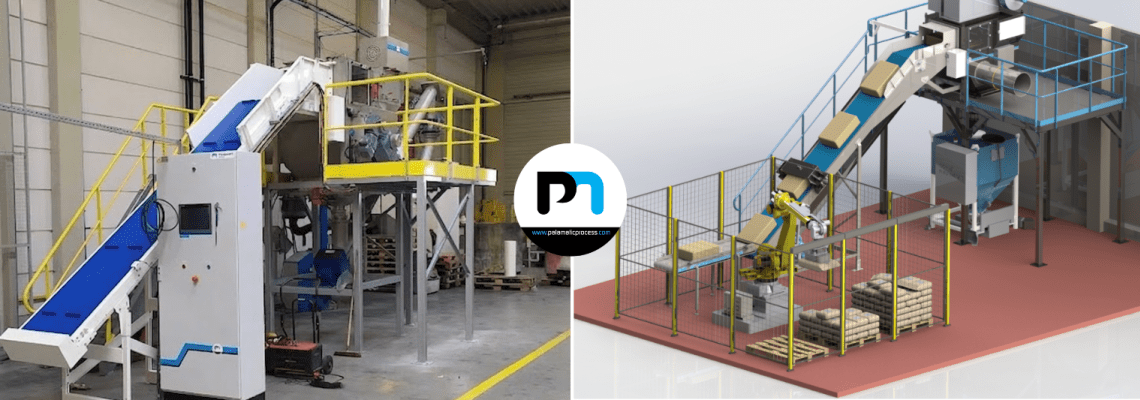
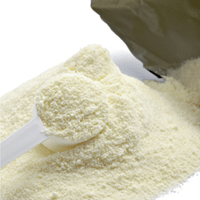
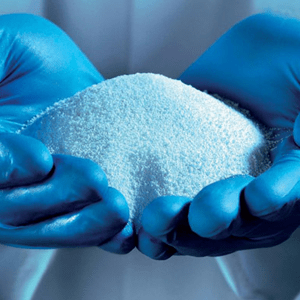
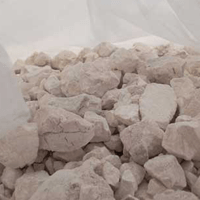
Processed powders: sebacic acid (raw material for the manufacture of industrial lubricants)
Automation of bag emptying and filling of IBC containers for feeding production reactors
The client’s objectives
As part of the modernization of its production lines at its site specialized in synthetic chemistry, the client, a manufacturer of industrial lubricants, aimed to automate and improve the reliability of bag emptying operations for sebacic acid, followed by the filling of stainless steel IBC containers, with a view to controlled feeding of production reactors.
The main objectives were to:
- eliminate repetitive operator interventions,
- ensure product integrity,
- control dust emissions,
- guarantee full traceability of packaged batches.
The desired automation also aimed to increase production rates while maintaining a high level of safety and cleanliness, essential for handling chemical powders used in complex industrial formulations.
The study therefore focused exclusively on the container filling area, upstream of pneumatic transfers to the reactors.
The proposed solution
To meet the identified needs, Palamatic Process designed a complete and automated installation from the Sackbot series 200 range, built around a bag emptying system and conditioning into stainless steel IBC containers.
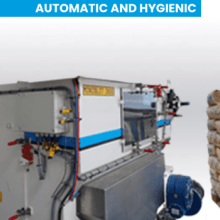
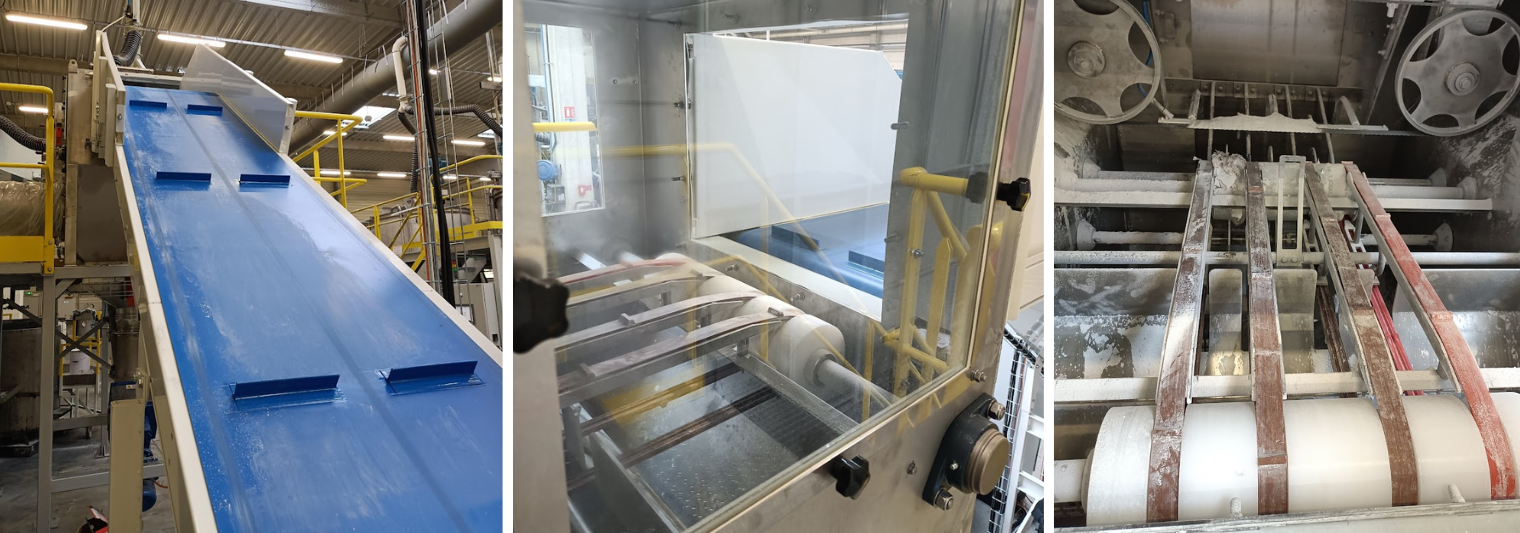
The line is fed by a motorized inclined conveyor ensuring a steady supply of sebacic acid bags to the automatic bag emptying machine Minislit 3000. This model is designed to handle various types of bags without prior adjustment, with a throughput of up to 5 bags/minute. Opening is performed by a band saw that cuts the bag on three sides, while a patented inversion system ensures complete emptying. The empty bags are then automatically compacted to reduce waste volume.
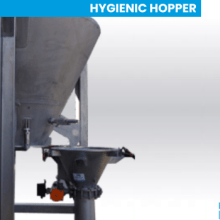
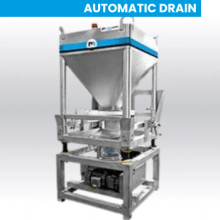
The emptied product is directed to a hopper equipped with an integrated dust collection system, ensuring clean, emission-free operation in the workshop.
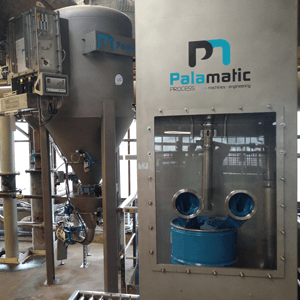
Container filling is carried out by a leak-tight connection head of the IBCfill® 02 type, equipped with a telescopic tube with antistatic metal spirals. This system channels the product while ensuring a hermetic connection between the hopper and the container, thus preventing any material loss. The filling cycle is fully automated, with control of pneumatic cylinders, level monitoring via sensors, and the option to integrate weighing to ensure load compliance.
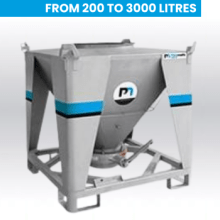
The containers used, with a capacity of 1,800 liters in 304 stainless steel, are designed with 60° slopes and rounded corners, promoting complete discharge and minimizing the risk of product retention. Handling is facilitated by a reinforced base compatible with forklifts and pallet trucks.
The entire installation is secured by a mesh enclosure equipped with sensor-controlled doors, interlocked with the emergency stop circuit. Automation is based on a control cabinet integrating a Schneider Electric PLC, ensuring coordinated control of the conveyors, the Minislit, the filling head, and safety devices.
This design not only eliminates repetitive operator interventions but also increases packaging throughput while ensuring consistent traceability and quality of the prepared batches.
Industrial equipment comprising the installation and the advantages of the Palamatic Process solution
The efficiency of this automated line relies on the combination of high-performance industrial equipment, specifically designed for handling chemical powders. Each component plays a key role in optimizing the bag emptying and packaging process: conveying, bag opening, dust collection, filling, and safety.
Discover the equipment that makes up this installation:
1. Automatic inclined conveyor:
- Motorized transport of bags to the Minislit bag emptying machine.
- 30° incline with a total length of 4,500 mm.
- Automatic bag detection via photoelectric sensor.
- Ensures a steady flow and reduces operator intervention.
2. Minislit 3000 automatic bag emptying machine:
- Opens all types of bags (except jute) without adjustment.
- Patented band saw cutting system, linear speed of 900 m/min.
- Average throughput: up to 5 bags/minute.
- Integrated compactor to reduce waste volume.
- Optimized containment thanks to dust extraction connection.
- Design facilitating maintenance (single chain drive, quick access to components).
3. Integrated dust collection system:
- Pleated cartridge filter with pneumatic cleaning.
- Airflow rate: 800 m³/h.
- ATEX classification suitable for chemical dust.
- Ensures a clean working environment and limits product loss.
4. IBCfill® 02 filling head:
- Ø 500 mm telescopic tube with FDA antistatic metal spirals.
- Sealing ensured by EPDM seals and pneumatic locking cylinders.
- Integrated dust extraction via double jacket.
- Automated filling cycle with level sensor control and optional integrated weighing.
5. 1,800-liter stainless steel IBC containers:
- Made of 304 stainless steel, with rounded corners and 60° slopes for complete discharge.
- Outlet diameter: 300 mm with slide gate valve.
- Robust design suitable for intensive filling/emptying cycles.
- Reinforced base compatible with forklifts and pallet trucks.
6. Mesh safety enclosure:
- Full protection of the opening and filling area.
- Secure access via interlocked doors integrated into the emergency stop circuit.
- Compliant with CE machinery safety standards.
7. Control cabinet and automation:
- Schneider M238 PLC with touchscreen HMI.
- Control of conveyors, Minislit, filling head, and safety systems.
- Centralized management of sequences, alarms, and cycle supervision.
Advantages of the Palamatic Process solution
Integrating an automated bag emptying and IBC filling solution represents a major competitiveness lever for the chemical industry. Beyond the productivity gains, this installation allows for significant improvements in safety, batch quality, and working conditions. Here are the main benefits provided by this high-performance and sustainable industrial solution:
- Complete automation of bag emptying and container filling.
- Increased throughput: up to 5 bags/minute.
- Enhanced safety through dust containment and mesh enclosure.
- Reliability and durability: equipment designed for intensive and long-term use.
- Improved ergonomics: elimination of repetitive tasks and heavy handling.
- Controlled quality: batch traceability, precise filling, and a clean working environment.